Escalator Maintenance Protocols
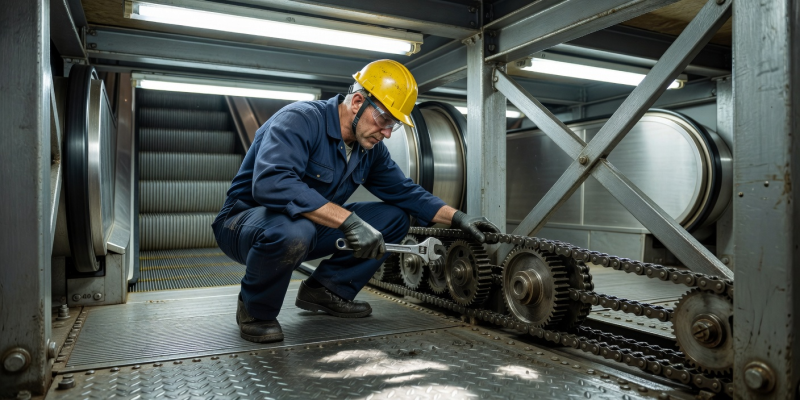
Given the heavy loads, continuous operation, and rigorous safety demands placed upon vertical transportation systems, comprehensive escalator maintenance is non-negotiable. A robust maintenance strategy extends the lifecycle of the equipment, reduces operational downtime, and protects passenger safety. At Scenesgarclipcompss, we categorize maintenance protocols into routine preventative care and major component overhaul.
Preventative vs Corrective Maintenance
Corrective maintenance—repairing a system only after a component has failed—is exceptionally costly in the escalator industry. Emergency call-outs, rushed parts procurement, and extended downtime severely impact facility operations. Consequently, the industry standard relies heavily on preventative maintenance (PM).
PM schedules are generally defined by manufacturer specifications and local regulatory codes, requiring weekly visual inspections, monthly mechanical tune-ups, and annual comprehensive load testing. The goal of PM is to identify wear before it compromises structural integrity or safety limits.
Step and Drive Chain Lubrication
Friction is the primary enemy of escalator longevity. The step chains (which pull the stairs) and the drive chain (which transfers power from the motor to the main shaft) consist of thousands of interlocking metal links and pins under constant high tension.
Modern escalators are often equipped with automatic lubrication systems that distribute precise drops of oil to the chain rollers during operation. Maintenance engineers must regularly check fluid reservoirs, ensure the distributor lines are clear of blockages, and visually inspect the chain links for dry spots or excessive metallic dust, which indicates insufficient lubrication and accelerated wear.
Handrail Tension and Alignment
Handrails endure immense physical abuse from passenger use, cleaning chemicals, and atmospheric conditions. Over time, the internal canvas and steel wire structure of the rubber handrail stretches. If a handrail becomes too loose, it can slip off the drive pulley, resulting in sudden stops or stalling.
During monthly PM, technicians measure the running speed of the handrail against the step band and adjust the tensioner rollers located beneath the truss. They also inspect the surface of the handrail for cracking, which requires sectional splicing or complete replacement to prevent passenger injury.
Comb Plate and Step Tread Inspection
The interface between the moving steps and the stationary comb plate must maintain exact tolerances. If a step tread is damaged, or if a tooth on the comb plate is broken, the risk of passenger entrapment increases exponentially.
Technicians must routinely clean the comb plates, ensuring no hardened debris alters the meshing profile. Broken comb teeth dictate immediate replacement of the comb segment. Similarly, if the step tracking misaligns and causes the steps to rub against the skirt panels, the tracking guides must be recalibrated to maintain a centralized step path.
Motor and Gearbox Oversight
The heart of the escalator is the electric motor and its associated reduction gearbox, housed in the upper landing pit. Overheating and gear wear are the primary concerns here. Technicians monitor vibration signatures, listen for abnormal gear whining, and sample gearbox oil to test for suspended metal shavings.
Heat buildup often points to failing bearings or an overloaded motor due to excessive friction elsewhere in the truss. Thermal imaging during peak load times is increasingly used to identify failing motor windings before a catastrophic short occurs.
Lifecycle and Modernization
A well-maintained escalator has an operational lifespan of 20 to 25 years. After this point, replacement parts become scarce, and fatigue in the structural truss becomes a concern. Facilities managers must budget for full modernization, which often involves stripping the escalator down to its bare truss and installing entirely new mechanical and electrical systems, thereby resetting the lifecycle without the heavy construction costs of replacing the supporting architecture.